TW: Article discusses sexual assault, if you or someone you know is a victim of sexual violence, the National Sexual Assault Hotline is 1-800-656-4673
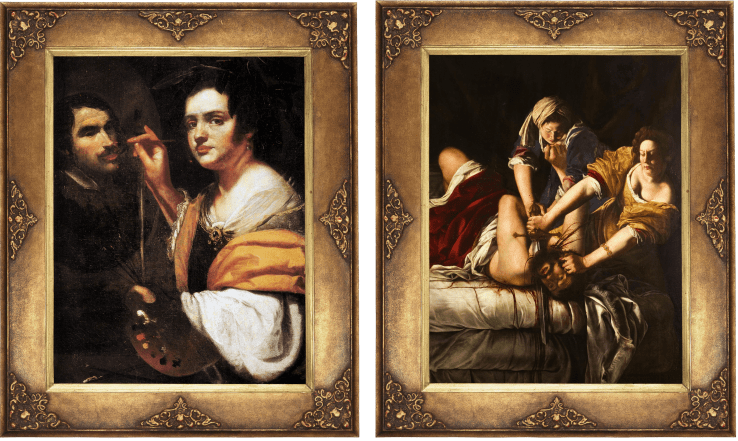
Do you remember what you were doing at 17 years old? For many of us, the answer to that question is homework and wrestling with the angst and anguish of adolescence. At 17, 17th century Italian painter, Artemisia Gentileschi, was well on her way to becoming one of the most prolific and provocative artists of her time.
Trained by the master of Baroque tenebroso (the use of light and shadows in art for visual and allegorical impact), Caravaggio, until his exile from Rome when she was 13, Artemisia Gentileschi began to develop a mastery of vibrant, naturalistic painting from an incredibly young age. In 1611 when she was only 17 years old, Gentileschi was sexually assaulted by her father’s colleague, Tassi, who had been hired to tutor her. What ensued in the aftermath was a drawn out trial wherein Artemisia bravely recounted the horrific details of her assaulter’s crime. The explicit nature of the testimony resulted in Tassi’s conviction; however, her assaulter never actually served his sentence as he was in the Pope’s good graces. Disappointingly, but perhaps not shockingly, nepotism and corruption were not unusual at the time.
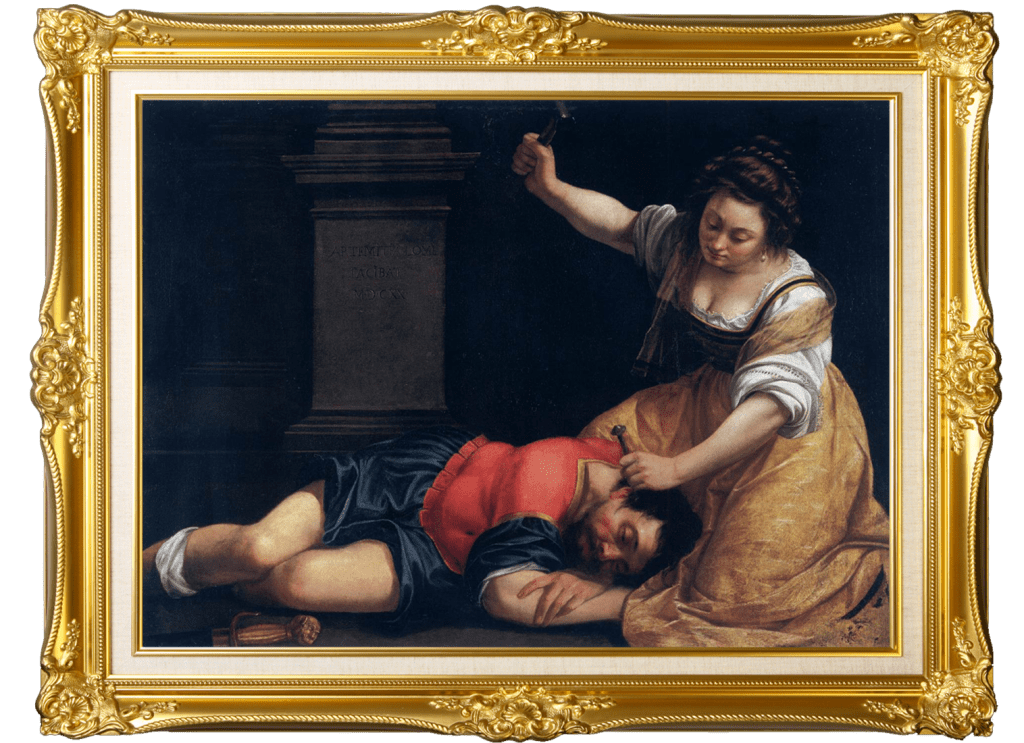
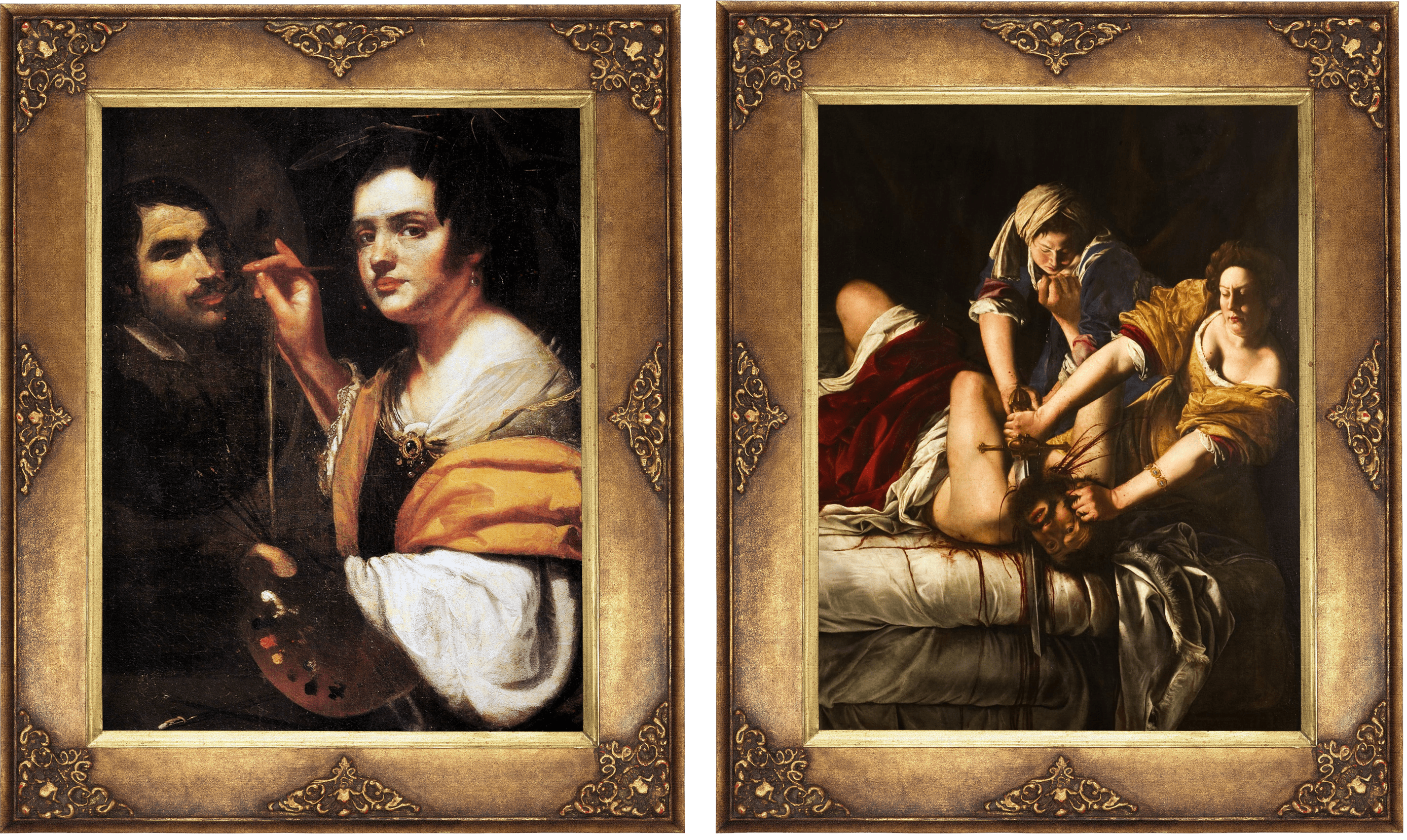
Around 1612, Gentileschi married a fellow artist and moved to Florence where she would create what is today her most well-known masterpiece, “Judith Beheading Holofernes.” In Artemisia’s rendition of the biblical scene, she paints herself in the role of Judith, a young Bethulian widow, and her assaulter as Holofernes, the general of the enemy army whom Judith slays to save her people. Painting herself into her pieces would become a hallmark of Gentileschi’s work.
Though she is often portrayed as a vengeful figure in art history, vengeful is not the right word to characterize her or her groundbreaking work. Through painting, Gentileschi doesn’t get revenge, but rather takes back her power, using her artwork as her voice. It was Artemisia’s resilient nature that made her an incredibly remarkable figure, especially in a time where brazen and ambitious women were looked down upon and held back by societal paradigms.
In spite of living in an era where it was difficult for women to pursue education, artistic training or artistic work, Gentileschi broke barriers. During her time in Florence she enjoyed significant professional success, earning the favor of the Grand Duke of Tuscany and the acquaintance of Galileo Galilei. It was also in Florence that Gentileschi became the first woman to be accepted into the Accademia delle Arte del Disegno, where she honed her skills in depicting hyper-realistic, emotionally-charged masterpieces.
Though it is important not to overlook the trauma that Gentileschi experienced, for many centuries the high-profile trial and assault that she endured as a teenager overshadowed her talents and accomplishments. Now, finally, Artemisia Gentileschi is garnering long-overdue recognition as one of the greatest artists of the Baroque era due to her immense talent and groundbreaking achievements. We encourage you to explore Gentileschi’s work, many images of which are available to view online. If you are, however, planning a trip down the line, the Uffizi Gallery and Pallazzo Pitti Gallery in Florence house a number of her paintings. Want to know where else her works are displayed? Wikipedia has a full list HERE.

 The Covet File